Full Vehicle Diagnostics in Midland, TX

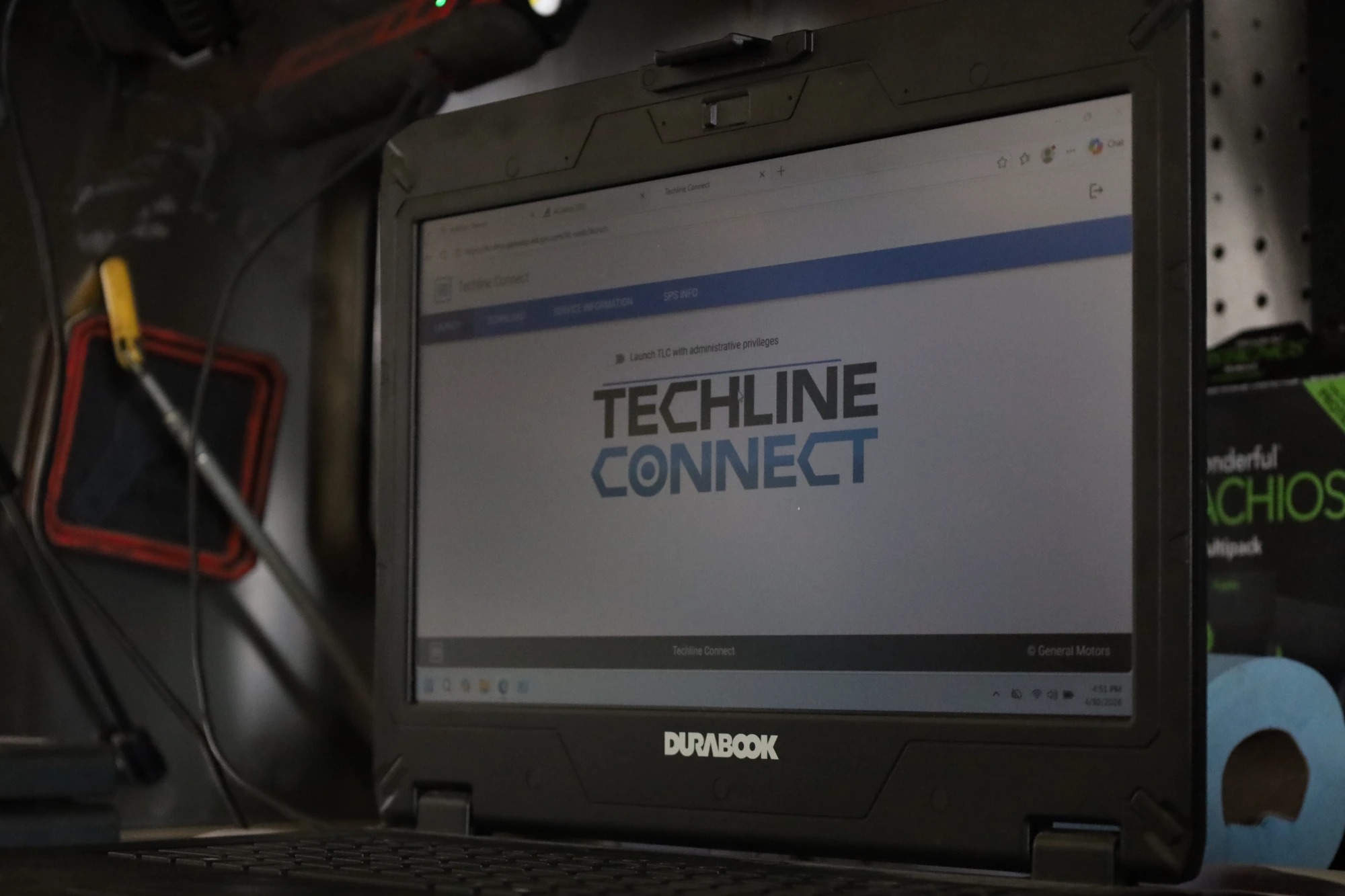
Codes are a starting point, not an answer. We run a structured diagnostic on gas and diesel passenger vehicles using OBD-II plus manufacturer scan tools, verify the live data, and isolate the root cause before we quote a single part. Honest finding, written down, every time.

Sameday
Most Diagnostics Completed
12+yrs
In-Shop Experience
0
Comebacks in 2025

Tell Us the Symptom.

You do not need to know what is wrong before you call. You just need to describe what the vehicle is doing. Below are the most common reasons people come in and what we usually find.

Check engine light came on
Likely Path Could be sensor, fuel, ignition, emissions, or transmission. Code is a starting point. We pull every module, verify the named circuit, and tell you which it actually is before quoting a part.
Truck won’t start, or starts hard
Likely Path Battery, starter, fuel delivery, ignition, or security module. We test charging and starting on the bench, then move to the fuel and ignition side if the electrical is clean.
Running rough or losing power
Likely Path Misfire, vacuum leak, fuel pressure, or sensor drift. Live data on a road test catches what a static scan misses. We isolate the cylinder or system before naming the part.
Transmission shifts harsh or late
Likely Path TCM fault, fluid condition, or internal wear. Scan the TCM, check fluid and adapt values, road test under load. Tells us repair versus rebuild before any work begins.
Battery dies overnight
Likely Path Parasitic draw on a module that is not going to sleep. Multimeter on the negative side, pull fuses one at a time, find the circuit. Common fix once isolated.
Another shop already worked on it and the light is back
Likely Path Original diagnosis usually stopped at the code instead of the cause. We re-test from scratch and tell you honestly whether the previous repair was right, wrong, or only part of the picture.

Four Steps. No Guessing.

Every full diagnostic at Chris’s Diesel Service follows the same sequence. The order matters. Skipping a step is how shops end up replacing a sensor that was never the problem.

  1. 01

    Listen and Document

    Owner walkthrough first. When does the issue happen, what was done already, and what changed before it started. We write it down.

  2. 02

    Scan and Read Live Data

    OBD-II plus manufacturer-specific scan tools. Pull every module on the vehicle, not just the engine, then watch live data for the actual fault behavior.

  3. 03

    Verify the Root Cause

    Bench testing, electrical measurement, sensor swap if needed, and a real road test. We isolate the cause before we name a part.

  4. 04

    Written Quote First

    Findings on paper, parts and labor itemized, OEM where it exists. No work begins until you authorize the quote in writing.

The Right Tool. Used Right.

Diagnostic accuracy comes from the combination of the tool and the technician. We invest in both. Below is what is on the bench at our Midland shop and what each piece is actually used for during a full diagnostic.

  • OBD-II Generic powertrain code reads, freeze frame data, and emissions readiness checks across every modern passenger vehicle.
  • Mfr Scan Manufacturer-specific platforms for live data, bidirectional control, module coding, and brand-level service procedures.
  • Electrical Digital multimeters, oscilloscope, and parasitic draw tooling for wiring, sensor signal, and battery system diagnosis.
  • Drivability Real road testing on actual conditions because some faults only show up when the vehicle is loaded and warm, not on a lift.

Common Questions

What is a full vehicle diagnostic?
A full vehicle diagnostic is a structured inspection that reads fault codes from every module on the vehicle, tests the sensors and actuators feeding those modules, verifies live data on a road test, and isolates the actual root cause before any parts are quoted. We use OBD-II plus manufacturer-specific scan tools, and we write the findings down before we touch the vehicle.
How long does a diagnostic take in Midland, TX?
Most passenger vehicle diagnostics are completed the same day at our Midland shop. Intermittent faults, complex electrical issues, and drivability concerns that only show up on a road test can take longer. We will give you an honest timeline before the vehicle is dropped off.
Do you charge for diagnostics?
Yes. A real diagnostic takes scan tools, a road test, and time on the bench. We charge for the diagnostic itself and apply that cost toward the repair if you authorize the work with us. Free code reads from a parts store are not a diagnostic, they are a starting point.
What scan tools do you use?
OBD-II for generic codes, then manufacturer-specific platforms for live data, bidirectional control, and module-level testing. For diesel platforms we add the same depth on the engine, transmission, and emissions controllers. The right tool depends on the vehicle, and that judgment is part of the diagnostic.
My check engine light came back on after another shop. Can you re-diagnose it?
Yes. A returning code usually means the original diagnosis stopped at the code instead of finishing at the cause. We re-test from scratch, document what we find, and tell you honestly whether the previous repair was right, wrong, or only part of the picture.

Need a Real Answer on Your Vehicle?

Bring it in. We will diagnose it once, write the findings down, and quote the work in writing before we touch a tool.